
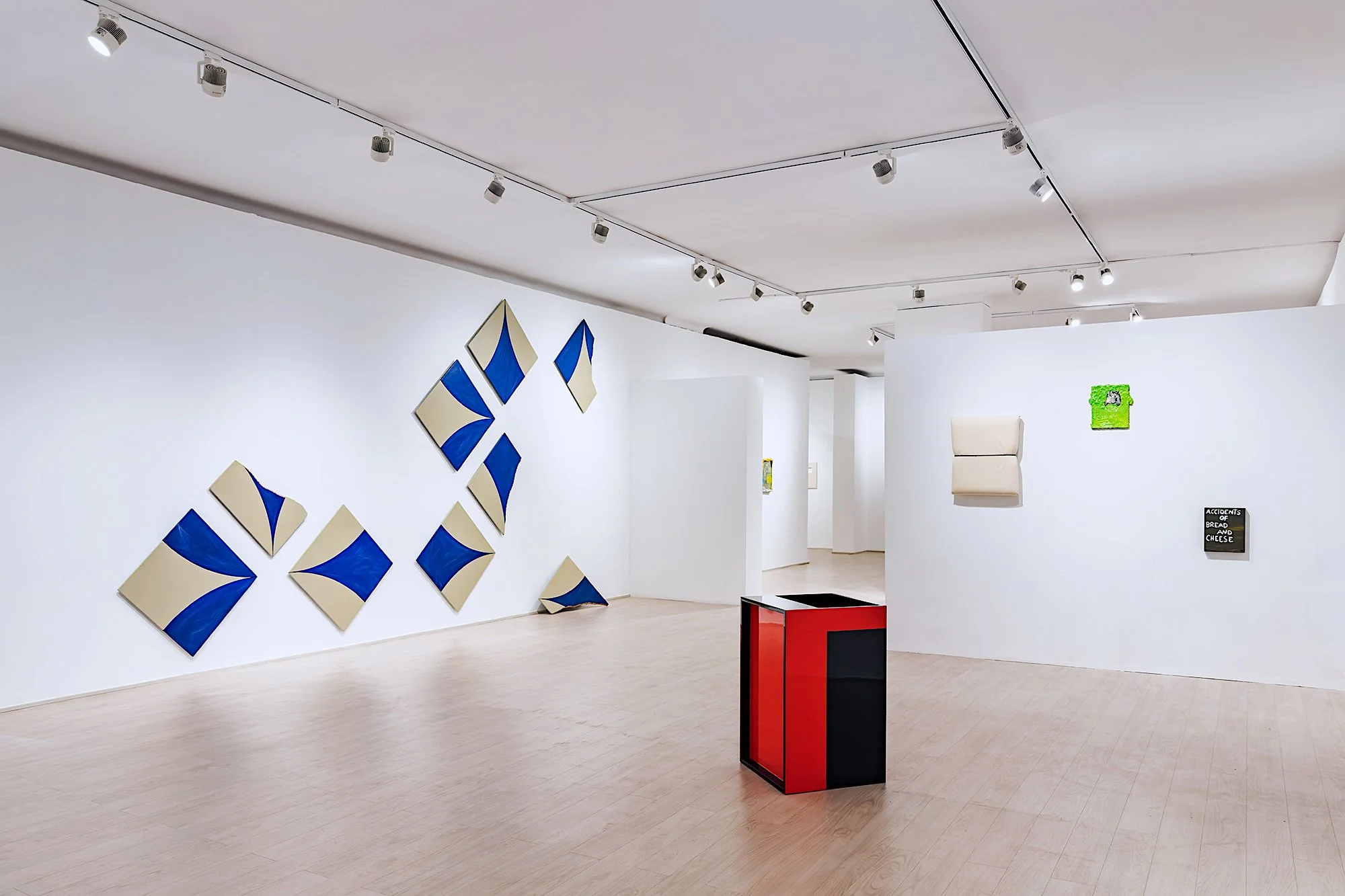
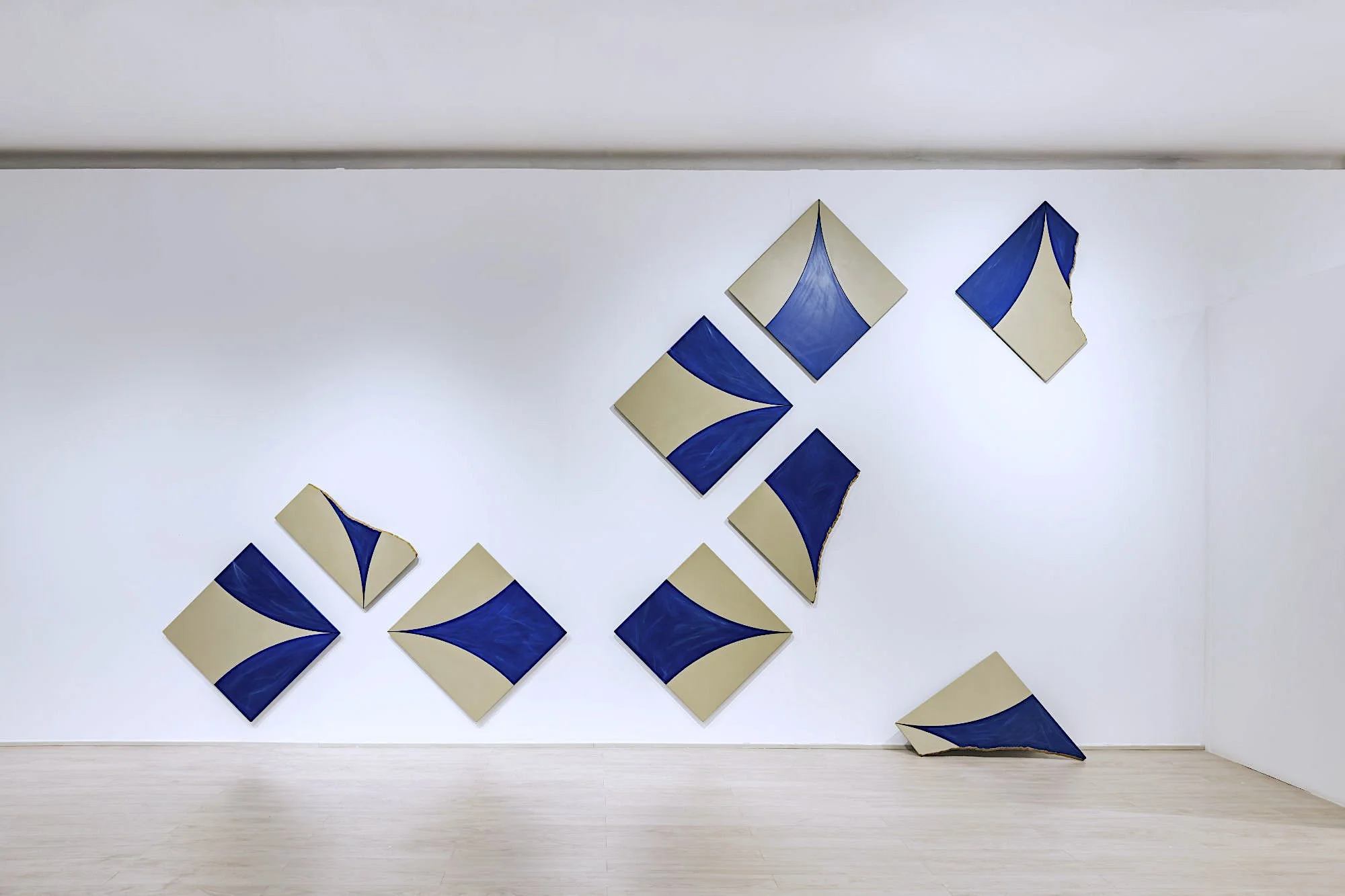
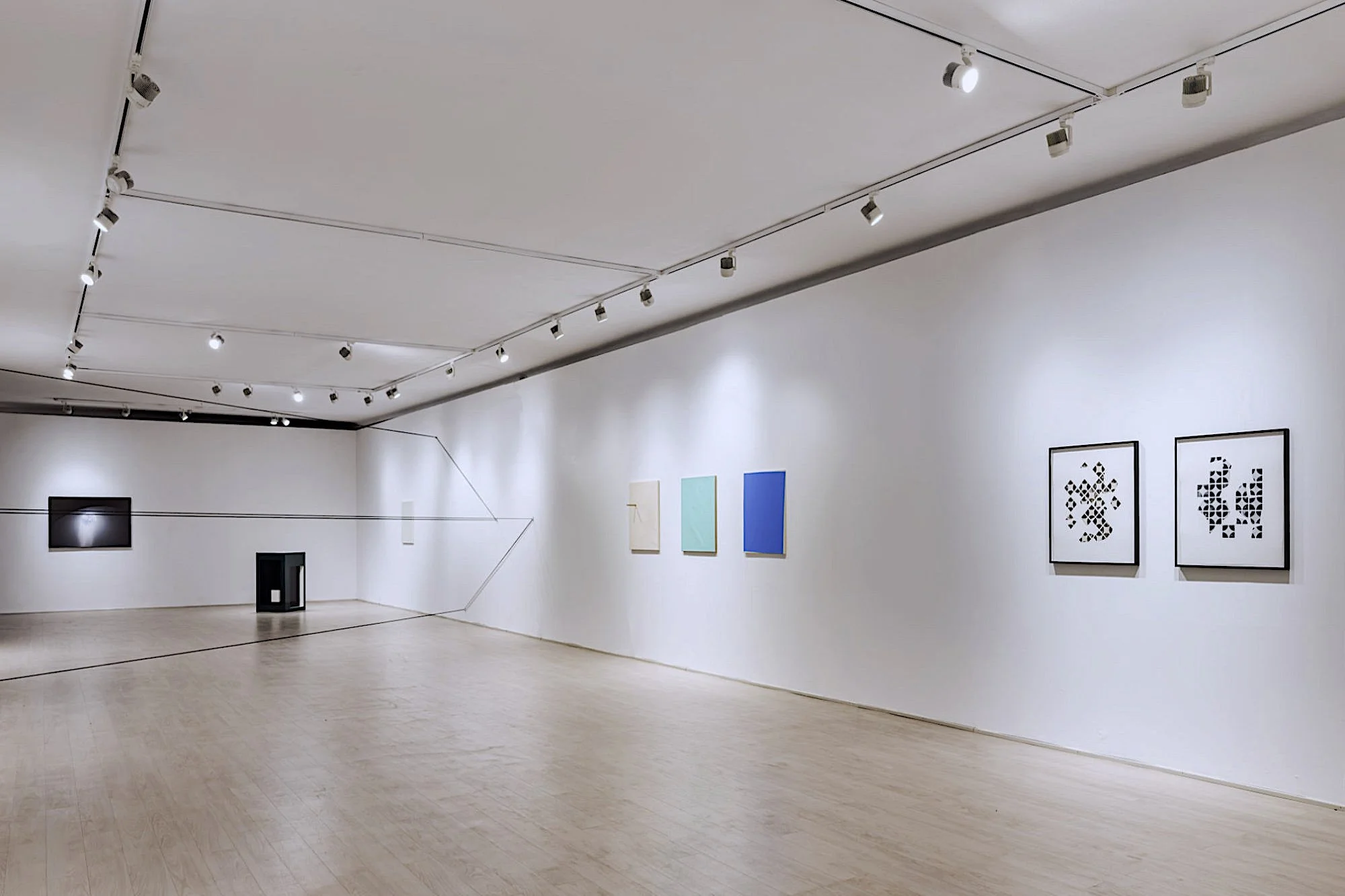
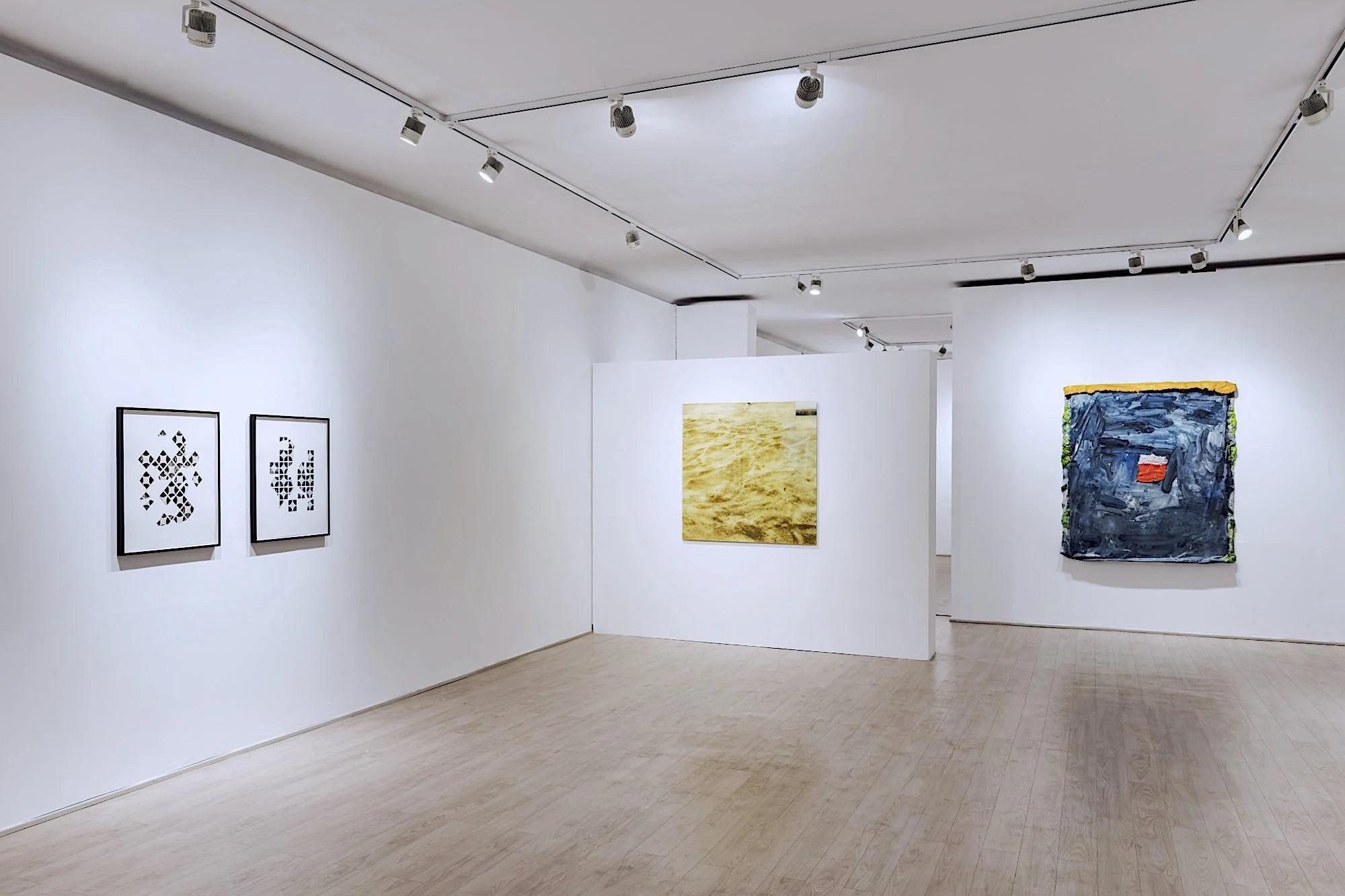
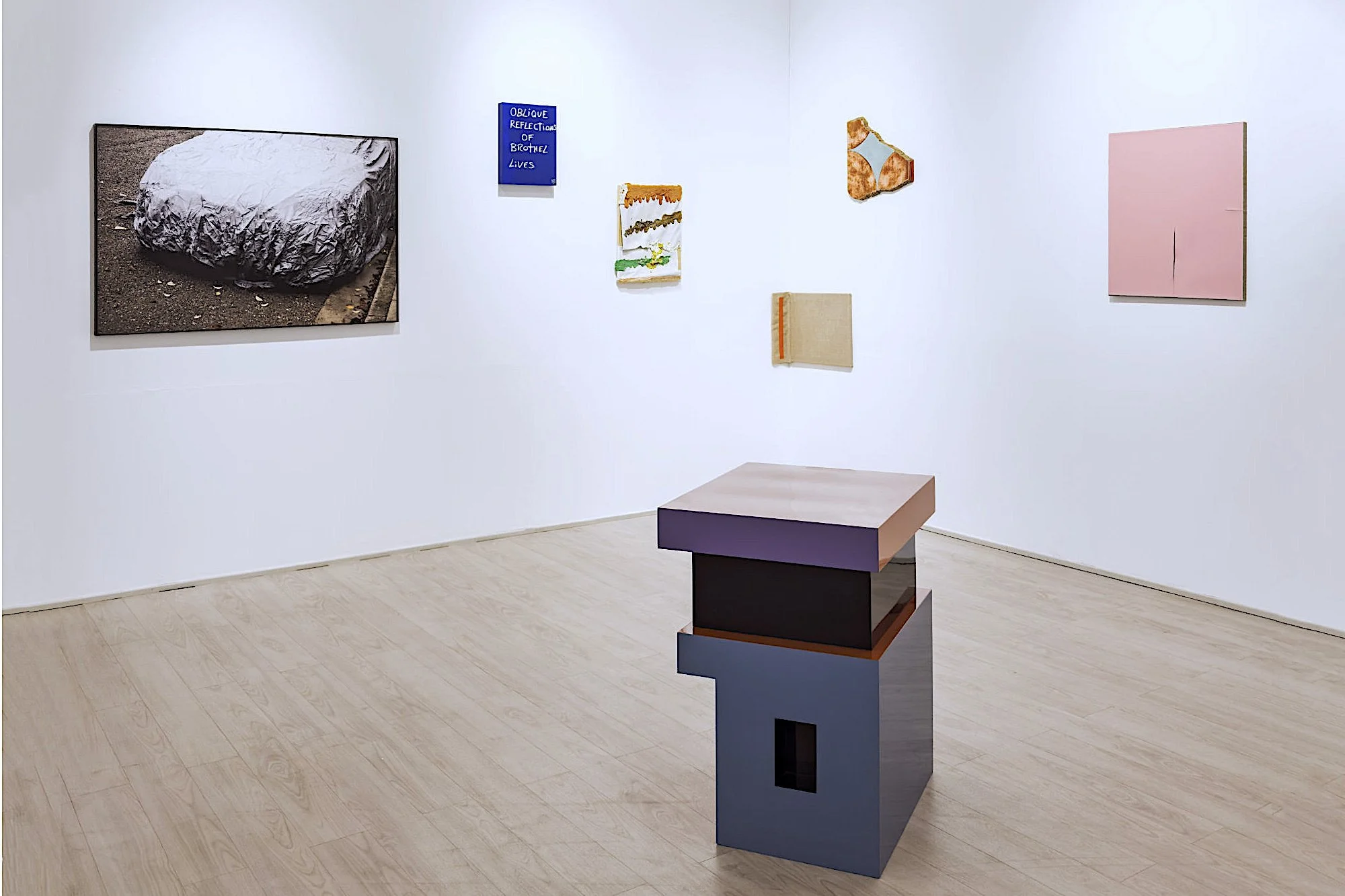
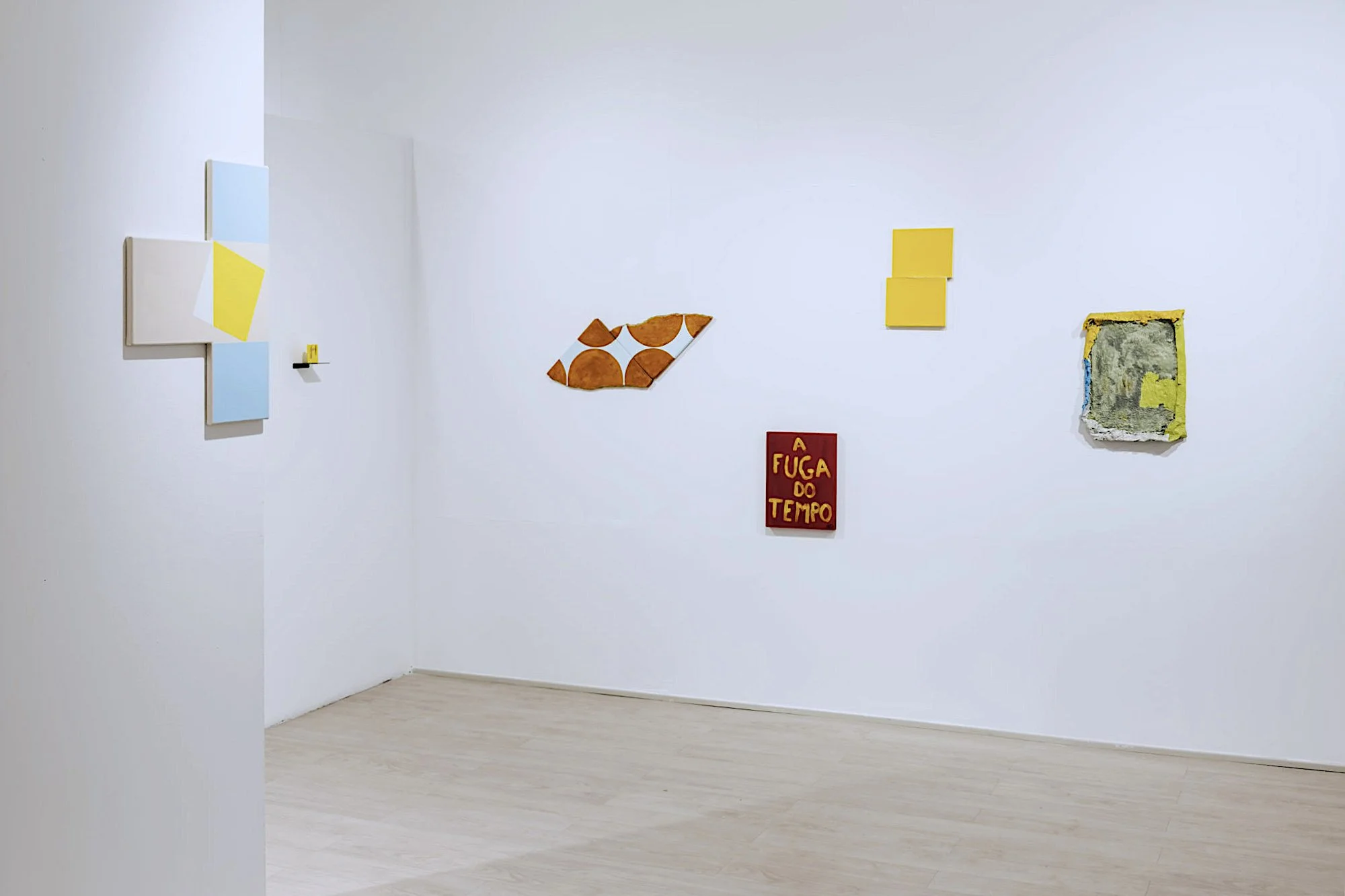
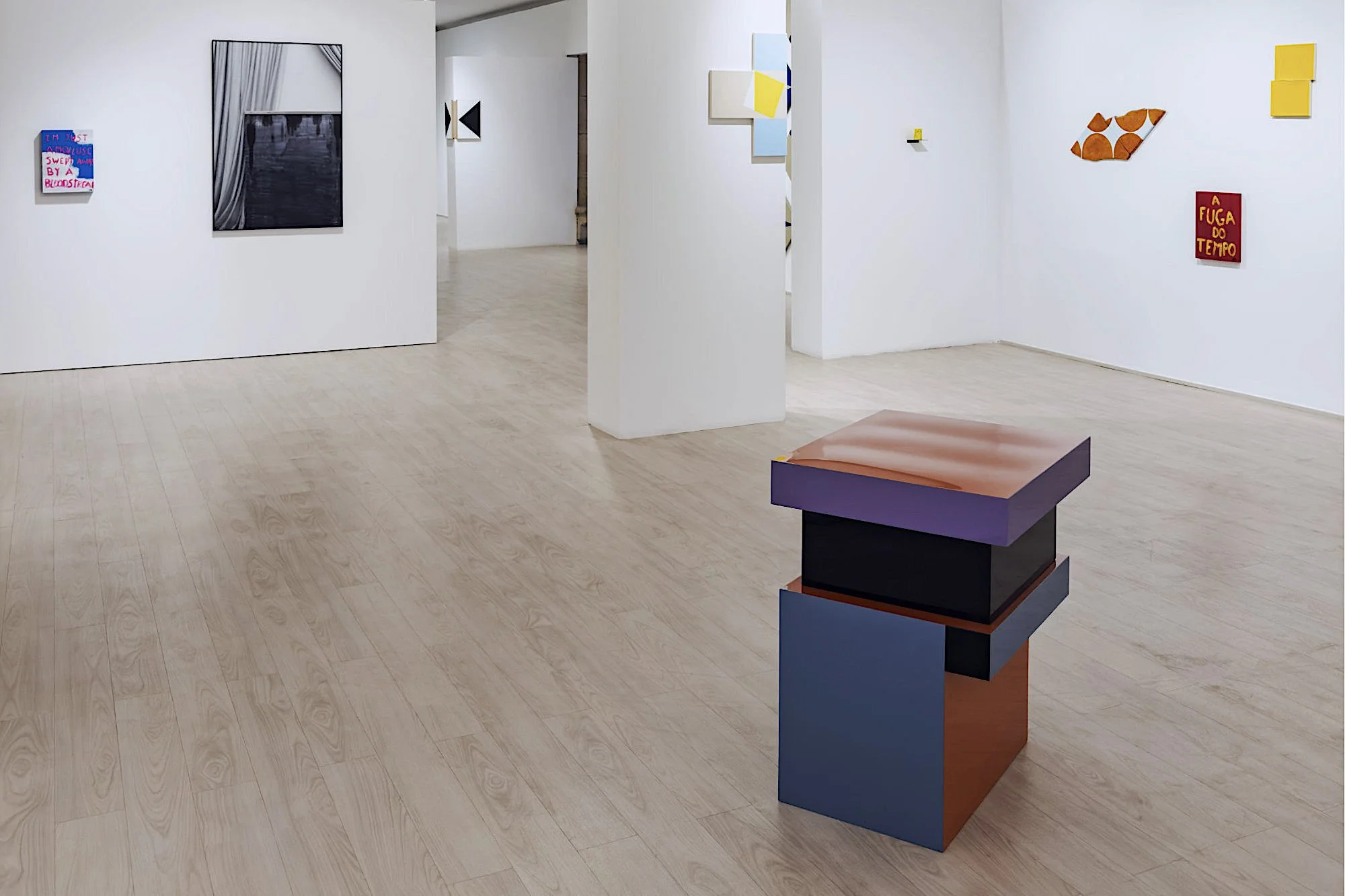
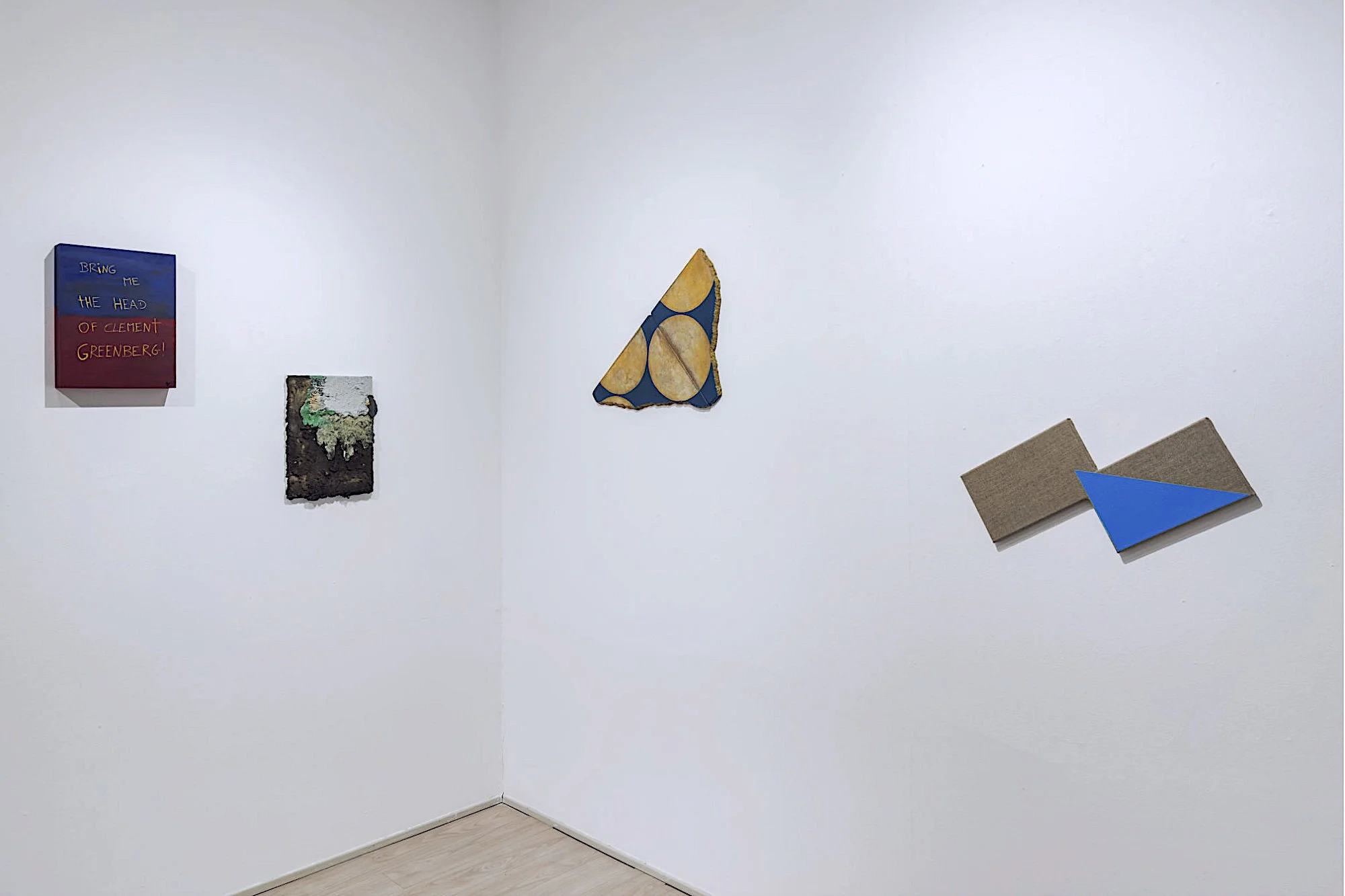
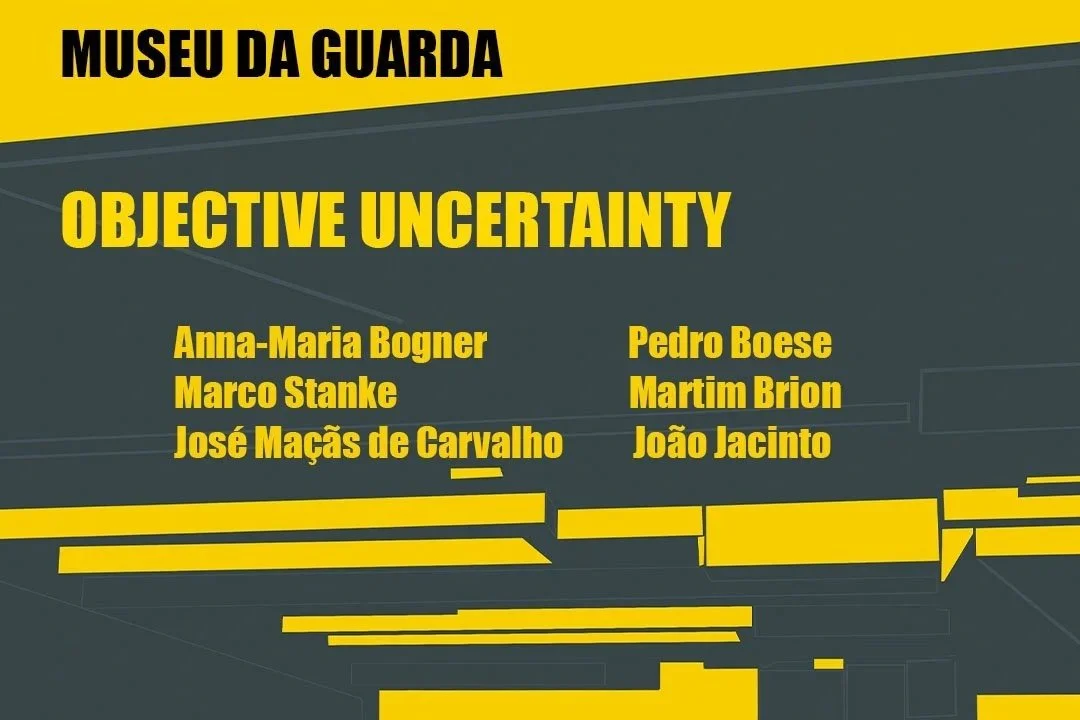
Museu da Guarda, Guarda, Portugal
Opening: Thursday 11th of June 6 pm
Duration: 11.06. - 15.09.2026
Participating artists: Martim Brion, Pedro Boese, Marco Stanke, José Maçãs de Carvalho, Anna-Maria Bogner, Joāo Jacinto
Curator: Martim Brion
Objective Uncertainty
“The presumably enlightened rich, who support art in this century as every other, have relapsed into self -indulgence; their aesthetically ascetic period is past with no young Picasso in sight they have found the courage to ask once more for the kind of art they really like: give us the romantic, the realistic, the deceptive, the immediately erotic and the chic. It fits us better, mirror us better, and moves us quicker. Since we pay for art, we have the right to the kind we want.”
- Clement Greenberg
Human society is a hierarchical one, if one looks now throughout the world, one does not find equal societies beyond a certain dimension and within these societies there are always trappings of authority and inequality. Marx was right that there is a social conflict, he was just wrong in thinking that the class struggle of his time was applicable to all societies and throughout time. But that there is always a power dynamic within society and between different societies, countries, empires, etc. is undeniable. Hence, there is a pecking order, we are always sorting everything within this pecking order, which varies within each culture. Humans always move through the path of least resistance unless they attain a certain modicum of superiority and sustainability. Once that takes place some practices start to be done just for pure pleasure or abstractions – meaning for instance tradition, religion, moral desires, prejudices, philosophy. This independence from practicality can be seen in banquets and feasting or ways of dressing through early history, or later on, types of homes, from huts to palaces and the use of art. These abstractions or better put sublimations have reached further highs in the last 200 years after the industrial revolution. It has also been throughout time a way of distinguishing one’s self, by having culture and appreciating or making art, writing and playing music or leading a different lifestyle, such as monks or other religious practices. This differentiation also has an hierarchical part and most people continue to not adhere to high levels of abstraction and “high culture”. In post modernism there was a brief desire to make it mainstream. Nonetheless, we are currently returning to the norm, as culture is appreciated, and more widely so than ever, but only mostly at a lighter level. Highbrow is even considered suspect by the majority of the population as it always has been; as it dwells too much in abstraction, it seems too sure of its superiority or makes one more aware of one’s inferiority of knowledge or at least makes one understand how little we all know as individuals and even as a species. It shows how insignificant and confused we all are. Not to mention that intellectuals are blamed, and rightly so for many of the excesses of the 20th Century.
Artificial Intelligence, is now the great new frontier. For the first time help at an intellectual level, will be cheap and plentiful. Everyone will have their own personal assistant, teacher researcher and so on in their pocket. Once again, the need to have culture and knowledge is relegated to those that enjoy acquiring and preserving it. However, it is undeniable that society is better equipped intellectually. There are more university graduates than ever before, there are more books sold than ever before and knowledge has never been so disseminated and easily accessible as now, and people healthy and learned enough to be able to access and use it or even one dares say, enjoy it. Two main problems relating to this positive state of affairs, have been how to accommodate all these graduates while societies have very slow growth and how to teach people critical thinking in order to be open but able to differentiate between what is good knowledge and just propaganda and suspicious theories – or better critical thinking.
One sees this in art with the explosion of practicing artists, new galleries, websites selling art and so on and so forth. And then, how people are or are not able to navigate and differentiate between all these options. Off course more does not mean better, but most surely increases the probabilities of quality being produced. However, it also increases confusion. This leads us again to the state of art. How is then art evaluated in a hierarchical world? Well currently, I would argue it is mostly down to the most common denominator - money. What sells most, what is fashionable. And not what sells most in total but what sells most to people who are taste makers. Recently figuration has become again fashionable. Painting and drawing still are the mediums in art making that sell the most. Most probably due to its practical aspects: (the human tendency of least resistance) it is light and hangs on a wall, which is where most buyers have space to display art, but also due to it being the type of art most people can see in museums and so has the highest recognition and physical value. There is also a positive cycle effect here at work. As humans, the more we see something or even someone, or engage on a certain practice, the more we get used to it and the more we tend to value it. The same happens to novels, to music, to types of food and so on. We are the ultimate imitator. By imitating we create. Another point is that art mirrors society and its struggles. Present art is confusing because it is made in the present, not necessarily because there is a crisis, which can also be the case, but because the present is confusing. It is very hard to understand which phase in relation to the past and the future one is in when one is in it; we could be heading towards the third World War right now but it would be hard to tell until it would be clearly upon us. By looking back, we can study what happened and organise it. We are backward organisers not forwards. We can plan for the future but we never know exactly what it will bring. Too many factors are at play. This ignorance makes us more frustrated but can also be a source of joy and renewal. Might just be because we have not gotten there scientifically yet. Back to the point. If the present is a state of confusion and probably this one more so, than past ones; firstly, it is the present, secondly, we can clearly infer that there is a big shift on going: population decline, big movements of people, technological and scientific advances, possibly also sociological ones.
What can we thus infer with our limited capabilities (or at least I with mine) from the state of the art – art the ultimate mirror and filter of society’s mind. I would argue we are more open to all sorts of approaches to art, even though the classic ones still predominate. We like simple and direct messages, we like short bursts, long drawn affairs have gone the way of cooking for hours. We feel that we need to be individuals and express this individualism, that genius in art is still there, but this genius needs not to be too forward but coy, he needs to think of the other, a socially conscious genius. Important topics or at least the ones that seem important at this current time, need to be addressed, or at least mentioned. Total freedom is not understood, as it is something too frighting and possibly without much mooring too be understood or appreciated, as it is unabashedly individualistic. This has been the art until now. Exactly when I cannot say. But it seems to be already the art that is quickly becoming the past (again, the problem of pinning the present and predicting the future). Current political changes, and social preferences, and wars are already tearing this recent past apart, the assumptions are changing. Now what will happen I cannot tell, but that what remains constant is the same - change. And we are in for a strong dose of it.
Martim Brion
Munich, 12.2024